ThetaRay Forges Historic Partnership with UAE’s Mashreq Bank to Enable Secure Cross-Border Fund Transfers

ThetaRay Forges Historic Partnership with UAE’s Mashreq Bank to Enable Secure Cross-Border Fund Transfers

Historic news out of the Middle East leads off our international fintech coverage this week on Finovate Global. Israel’s AI-powered transaction monitoring innovator ThetaRay has been selected by the UAE’s Mashreq Bank to help ensure secure cross-border transfers for its correspondent banking business.

The partnership marks the first time that an Israel-based fintech company has teamed up with a financial institution from the UAE. The collaboration was made possible by the historic Abraham Accords, signed in the fall of 2020, which normalized relations between Israel and the UAE, Bahrain, Sudan, and Morocco.

“Mashreq Bank is our first customer in the UAE,” ThetaRay CEO Mark Gazit said. “We look forward to accelerating collaboration with additional financial institutions in the UAE and the entire Middle East, as part of the continued expansion of ThetaRay’s global reach.”

Making its Finovate debut in 2015, ThetaRay offers banks and financial payment providers the ability to detect anomalies in multiple data sets, regardless of size or source. This makes the company’s cloud-based, SaaS AI analytics platform is especially effective in monitoring cross-border payments, an area that has become increasingly vulnerable to financial crime – including money laundering – in recent years. ThetaRay estimates that the cross-border payments market will grow from $37.15 trillion in 2020 to nearly $40 trillion by 2026, potentially attracting an even greater number of fraudsters and thieves.

“ThetaRay’s technology, underpinned by advanced machine-learning based models complementing rules, sets the foundation for next-generation transaction monitoring,” Mashreq Bank’s Group Head of Compliance and Bank MLRO Scott Ramsay said. “By combining speed and agility with efficiency, it allows banks to effectively thwart financial crime risks in the increasingly complex space of cross-border payments.”

A leading MENA-area financial institution, Mashreq Bank is the oldest privately owned bank in the UAE, founded in 1967 as the Bank of Oman. Last fall, the bank announced a partnership with Visa to develop a new digital reconciliation platform for business expense tracking. Mashreq Bank was also the first regional bank to launch an API developer portal, going live with the platform back in October. A month later, the institution reported a net profit of $72 million (AED 265 million) for the nine months ending September 30th.

“Mashreq’s advanced digital transformation program has continued to deliver outstanding service to customers throughout the nine months ending 30th September 2021,” Group CEO Ahmed Abdelaal said. He highlighted the role of digital platforms in supporting the bank’s growth, and embraced the “development of a diverse, inclusive, and enabling working environment” courtesy of Mashreq’s adoption of a “work from anywhere culture.”


FinovateEurope 2022 is just one month away. If you are an innovative fintech company with new technology to show, then there’s no better time than now and no better forum than FinovateEurope. To learn more about how to demo your latest innovation at FinovateEurope 2022 in London, March 22 and 23, visit our FinovateEurope hub today!


Here is our look at fintech innovation around the world.

Sub-Saharan Africa

Central and Eastern Europe

Middle East and Northern Africa

Central and Southern Asia

Latin America and the Caribbean

Asia-Pacific


Photo by Manprit Kalsi from Pexels

Brazilian Digital Bank Nubank Raises $2.6 Billion in U.S. IPO

Brazilian Digital Bank Nubank Raises $2.6 Billion in U.S. IPO

Selling nearly 290 million shares priced at $9 in its initial public offering on the New York Stock Exchange this week, Brazilian digital bank Nubank has raised $2.6 billion, reaching a market value of $41 billion. An alumni of Finovate’s developer’s conference FinDEVr in 2016, Nubank is now the most valuable financial institution in Latin America in addition to being the world’s biggest digital bank. CEO David Vélez, who co-founded the company in 2013 with an initial investment of $2 million from Sequoia Capital and Kaszek Ventures, now owns a stake in the company worth $8.9 billion at the IPO price.

“We don’t think the banking branch will survive the way it is,” Vélez said to CNBC this week. “It is too costly to serve the majority of users, especially in emerging markets where you have a very high cost of operations, so a lot of that physical infrastructure will probably disappear.” Vélez predicted that most financial services providers will transition into digital entities in the next five to ten years because of this, leading to an increased focus on customer service as well as lower costs and interest rates.

With more than 48 million customers in Brazil, Mexico, and Colombia, and onboarding more than two million new customers a month on average, Nubank offers financial products for spending, savings, investments, loans, and insurance. The company claims to have provided more than five million people with their first credit card or bank account as of September 30, and to have saved its customers more than $4 billion (R$27 billion) in bank fees and more than 113 million hours of waiting time since inception.

Vélez said that the capital from the IPO will help fuel Nubank’s expansion in Mexico and Colombia, en route to becoming a truly pan-Latin American banking services provider. “There is a lot of opportunity to build the next generation of financial services, so we will continue to invest and grow for a very long time,” Vélez said an interview with the Financial Times.

This fall, Nubank acquired AI-powered assistant company Olivia, announced partnerships with a number of retailers to add a digital commerce section to its app in November, and purchased e-commerce payments company Spin Pay.


FinovateEurope 2022 is right around the corner. If you are an innovative fintech company with new technology to show, then there’s no better time than now and no better forum than FinovateEurope. To learn more about how to demo your latest innovation at FinovateEurope 2022 in London, March 22-23, visit our FinovateEurope hub today!


Here is our look at fintech innovation around the world.

Latin America and the Caribbean

Asia-Pacific

Sub-Saharan Africa

Central and Eastern Europe

Middle East and Northern Africa

Central and Southern Asia


Photo by Cassiano Psomas from Pexels

Instant Payments, TED, and PIX: Open Banking Advances in Brazil

Instant Payments, TED, and PIX: Open Banking Advances in Brazil

This week marks the beginning of Phase 3 of Brazil’s embrace of open banking. Phase 3 is the second-to-last stage of the implementation plan set out by the Brazilian Central Bank. According to reports, Phase 3 arrives about one month late – the original date was September 30th – but the changes that the newest phase of the open banking initiative will bring are significant enough to be worth the wait.

Divided into four parts, the goal of Phase 3 is to usher in the regulation of payment initiation from any online platform. This will initially involve enabling consumers to pay for products and services using PIX – without the consumer having to use their bank’s app. PIX is the smartphone-based, instant payments technology launched by the Brazilian central bank almost a year ago. The second part of Phase 3, enabling payments made with TED (transferência eletrônica disponível) and transfers between accounts of the same bank, is set to begin in mid-February of 2022; the third part, enabling payments via bank slip, is slated to begin in late June; and the fourth and final part of Phase 3, enabling payment by debit account, is set to go live at the end of September.

Payment initiation is only one component of the open banking project Brazil has undertaken. Giving consumers the ability to make price comparisons, as well as compare rates and credit offers, are also major new possibilities for consumers that will be available thanks to the introduction of open banking in the country. These elements are expected to begin at the end of March 2022.

“The initiation will have a great impact especially on fintechs, which may offer more practical solutions for consumers or improve your internal financial processes from direct payment,” Belvo General Director Albert Morales explained. “Large banks, on the other hand, should start to rethink prices and solutions offered, both to attract new users and to retain users.”

Brazil’s open banking project, approved in 2019 by the country’s central bank, is part of a larger modernization effort for the Brazil’s entire financial system. And while the global pandemic has played a major role in complicating the project’s original timeline, officials expect open banking to be fully implemented in the country by September of next year.

Read more about Brazil’s open banking project in this interview with Otávio Damaso, Regulation Director for Brazil’s central bank, conducted by The Paypers last month. Damaso explains why Brazil has embraced open banking, and how open banking fits into the larger context of regulatory changes and trends in the country.


Here is our look at fintech innovation around the world.

Sub-Saharan Africa

Central and Eastern Europe

Middle East and Northern Africa

Central and Southern Asia

Latin America and the Caribbean

Asia-Pacific


Photo by Aline Cardoso from Pexels

Argentina’s Veritran Earns $225 Million Valuation, Joins Finovate’s Largest Latin American Cohort To Date

Argentina’s Veritran Earns $225 Million Valuation, Joins Finovate’s Largest Latin American Cohort To Date

Low-code fintech platform provider Veritran has secured a strategic growth investment from Trivest Partners, a private equity fund based in Miami, Florida. The specific amount of the investment was not disclosed, but the company did report that funding gives the Buenos Aires, Argentina-based firm a valuation of $225 million.

“Today marks a major milestone for Veritran’s team, as we embark upon a new chapter of becoming the next fintech unicorn,” Veritran CEO and co-founder Marcelo Gonzalez said, “while continuing to democratize access to the digital economy.” Gonzalez highlighted Trivest Partners’ successful track record of working with “founder-owned businesses” and said the collaboration would help Veritran expand “into new geographies and reach new customers.”

Founded in 2005 and maintaining offices in the U.S., Spain, Mexico, Colombia, Uruguay, Chile, Peru, and Guatemala, Veritran offers a low-code platform that helps companies integrate new, enabling technologies into their legacy systems. Companies looking to enhance customer engagement via digital channels ranging from mobile banking and digital wallets seek out Veritran’s technology to future-proof their retail and corporate banking operations, as well as digital payments and onboarding processes.

With 50 bank clients and 25 million users, Veritran processes 25 billion transactions a year on its platform. In August, the company announced that it had partnered with Visa to promote push payments, tokenization, and Click to Pay projects in Latin America and the Caribbean. The previous month, Veritran teamed up with behavioral biometric-based online fraud detection platform Revelock to help banks reduce fraud losses and call center costs. The partnership with Revelock – a Feedzai company – followed Veritran’s collaboration with another biometric technology company, FaceTec, which brought its facial recognition technology to the Buenos Aires-based firm’s low code platform.

Veritran’s funding announcement comes less than a month before it makes its return to the Finovate stage at FinovateFall in New York. The company will join what may be the largest contingent of Latin America-based fintechs ever assembled at a Finovate event (see below).

FinovateFall 2021 takes place at the Marriott Marquis Times Square in New York City, September 13 through 15. For more information, including how to attend our autumn fintech conference live or on-demand, visit our FinovateFall hub today.


Here is our look at fintech innovation around the world.

Asia-Pacific

Sub-Saharan Africa

Central and Eastern Europe

Middle East and Northern Africa

Central and Southern Asia

Latin America and the Caribbean


Photo by Florencia Potter from Pexels

How the Indian Diaspora Helps Fuel Fintech Innovation in the UAE

How the Indian Diaspora Helps Fuel Fintech Innovation in the UAE

Recent news headlines have underscored the long-standing relationship between fintechs in India and the UAE.

This week, we learned that Indian payment solution provider PayMate has teamed up with both Visa and Citi to automate business payments in the UAE. The collaboration will involve both accounts payables and receivables, enabling institutions to benefit from end-to-end payment automation.

Access to PayMate’s platform also will give corporations in the UAE the ability to take advantage of longer Days Payable Outstanding (DPO) as purchasers, as well as make supplier payments earlier. The platform, which auto-reconciles both made and received payments in real-time, also allows for settling of corporate card payments directly into the accounts of suppliers.

A Visa-certified Business Payment Solution Provider (BPSP), PayMate is looking to leverage its relationship with Visa into offering both its platform and working capital solutions to other countries in the region. More than 105,000 Indian businesses currently use the PayMate platform.

Also this week we learned of that a partnership between the National Payment Corporation of India (NPCI) and UAE-based Mashreq Bank will bring Unified Payments Interface (UPI) to the UAE to support Indian business and leisure travelers to the country.

Unified Payments Interface is an instant, real-time payment system launched by NPCI that enables multiple accounts to be controlled via a single mobile app. The solution supports a wide range of banking features ranging from money transfers to bill sharing and billpay to merchant payments. Introduced in 2016, UPI currently facilitates 10% of all retail payments in India, and has more than 100 million monthly active users in the country. Last year, $457 billion in value moved on the UPI platform, and analysts believe that UPI will top both Visa and Mastercard in India by 2023.

And while bringing UPI to the UAE will be a major boon for Indian travelers and expats in the country, the UAE stands to benefit as well from the support that additional digital payment activity will provide to the UAE’s digital payments ecosystem.

“We are delighted to collaborate with NIPL (NPCI International Payments) to introduce their mobile-based real-time payment systems to our customers in the UAE,” EVP and Head of Payments for Mashreq Bank Kartik Taneja said. “Given the position of UAE as an international commerce and tourism hub, retail merchants in the Emirates always enable the latest payment methods that are expected by our international clients.”

It is worth pointing out that Indians represent the largest expatriate community in the United Arab Emirates, its more than 3.4 million members representing more than 38% of the UAE population. And while this is no surprise to anyone who has visited the UAE, the impact of this sizable population on the fintech industries of both nations is notable. In the summer of 2019, the Dubai Startup Hub, a project of the Dubai Chamber of Commerce and Industry, announced its intention to “woo” Indian fintechs to the UAE with a $100 million fund for financial services startups.

Underscoring Dubai’s role as a “testbed” for enabling technologies like blockchain and AI,” Manager of the Entrepreneurship Department at the Dubai Chamber of Commerce Natalia Sycheva noted that Indian startups represented more than 30% of the total start-up community in the country. “When we decided to launch the programme of attracting overseas start-ups here,” Sycheva said, “naturally the first choice was India, as 30% co-founders of our Dubai Startup Hub have Indian origin.”


Here is our look at fintech innovation around the world.

Latin America and the Caribbean

Asia-Pacific

Sub-Saharan Africa

Central and Eastern Europe

Middle East and Northern Africa

Central and Southern Asia


Photo by Sreenadh TC from Pexels

Canada’s Latest Fintech Unicorn FreshBooks Scores $130 Million

Canada’s Latest Fintech Unicorn FreshBooks Scores $130 Million

From the snap election called by Canadian Prime Minister Justin Trudeau to the country’s recently expressed eagerness to accept refugees in the wake of the U.S. withdrawal from Afghanistan, there have been more than a few reasons for the Great White North to make news headlines of late.

Now fintech fans in particular have another reason to pay attention to what’s going on in the chronically under-discussed nation. FreshBooks, a cloud accounting software company based in Toronto, Ontario, has raised $130 million in new funding. This gives the firm a valuation of more than $1 billion, becoming Canada’s latest fintech unicorn.

FreshBooks CEO Don Epperson said that the funding, which included $50 million in debt financing, was an “injection of confidence” in the company’s mission to help small businesses digitize their accounting operations. Epperson added that the capital will fuel investment in markets that are experiencing significant increases in regulation and help those small business owners better “manage their finances” by “simplifying workflows.”

The Series E round was led by long-time FreshBooks investor Accomplice. Also participating in the funding were J.P. Morgan, Gaingels, BMO, and Manulife. New investor Barclays, one of FreshBooks’ platform partners, was also involved in the financing.

Founded in 2003, FreshBooks is active in more than 160 countries, including Croatia, Mexico, the Netherlands, and the U.S. – as well as its native Canada. The company’s technology has helped more than 30 million people better manage their finances, billing operations, and payments, while increasing customer engagement with its ten-time Stevie award-winning customer support. In July, the company announced that it was teaming up with the Ontario government in a data-sharing partnership to help understand the impact of the COVID-19 pandemic on small businesses. In May, FreshBooks co-founder Mike McDerment was featured in Profiles in Leadership where he discussed the company’s origins from its humble beginnings in “his parents’ basement” to the 500-employee company that is now among the top cloud accounting software firms in the world.


Here is our look at fintech innovation around the world.

Central and Southern Asia

Latin America and the Caribbean

Asia-Pacific

Sub-Saharan Africa

Central and Eastern Europe

Middle East and Northern Africa


Photo by Andre Furtado from Pexels

NuBank’s $750 Million Funding Round Proves Digital Challengers Are Still in the Game

NuBank’s $750 Million Funding Round Proves Digital Challengers Are Still in the Game

Digital banking giant NuBank is about to become even more gigantic. That’s because the Brazil-based pulled in $750 million in Series G funding. When added to the $400 million it raised in January, the funds bring the Series G round to $1.15 billion.

Today’s round was led by Berkshire Hathaway, which contributed $500 million. Additional investors include Sands Capital, Canada Pension Plan Investment Board, MSA Capital, Advent’s Sunley House Capital, Brazilian asset managers Verde Asset Management, as well as Absoluto Partners.

With the new investment comes a new valuation. NuBank is now valued at $30 billion, a figure that rivals the valuation of Brazil’s number three bank, Banco Santander Brasil.

NuBank was founded in 2013 to serve the underbanked population across Brazil, a group that adds up to 30% of the country’s population. Today, the digital challenger has 40 million customers and offers a robust range of banking services including a debit card, insurance, loans, small business accounts, and P2P payment tools.

Today’s news comes after the company brought on two C-level hires, Matt Swann as Chief Technology Officer and Arturo Nunez as Chief Marketing Officer.

NuBank will use the funds from today’s investment to fuel further expansion into Mexico and Colombia, launch new products, and hire more employees. While the company has been in Mexico since 2018 and Colombia since last October, NuBank’s banking tools are currently limited to credit cards in both nations.

The massive size of this round and the notoriety of the lead investor offer a hint that digital-only banks are not just a fad limited to 2020. These newcomers have the ability and willingness to serve populations that banks have consistently ignored. Because of this, existing digital banks have increased their customer numbers in the past year, and there has been a massive onslaught of new digital banking players vying for a niche subset of the population.

Public and Private Investors Boost Latin American Fintech

Public and Private Investors Boost Latin American Fintech

It’s a good week to be a fintech in Latin America. Uruguay-based fintech dLocal made its Nasdaq debut, raising more than $617 million in an IPO that gave the firm a valuation of $6 billion. The company, founded five years ago, offers a payments platform that enhances the ability of global merchants to operate in emerging markets. With customers ranging from Amazon.com to Uber, dlocal will use the capital from the IPO to add new features to its platform as well as enter new markets, according to an interview with Reuters.

Also this week, Latin American open finance API platform Belvo announced that it had secured $43 million in Series A funding. The round featured participation from new and existing investors – including investment angels like David Vélez, founder and CEO of Brazilian fintech Nubank. Belvo will use the new capital to “scale and enhance” its data enrichment solutions in particular, as well as launch its bank-to-bank payment initiation offering in both Mexico and Brazil. Adding to its 70-person workforce is also part of the company’s plans, with a goal of doubling headcount by the end of the year and “hiring more than 50 engineers in Mexico and Brazil in the coming months.”

Elsewhere in Latin America, Mexican payment gateway Prosa is reportedly considering a sale that could bring the company a valuation of more than $1 billion. The firm is one of the region’s biggest payment processors, facilitating more than 4.5 billion transactions in 2020. Also this week, EVO Payments announced that it had agreed to acquire Chilean e-commerce payment gateway Pago Fácil.

As Angela Strange and Matthieu Hafemeister noted this spring in their report Latin America’s Fintech Boom, “there is an enormous amount of untapped opportunity in Latin America for financial services of all types.” The authors cite five reasons to be optimistic about the demand for financial services, factors ranging from the region’s size to the opportunity to replace largely cash-based systems, as well as four reasons why Latin American fintech may be at a “tipping point.”

“As is often the case,” the authors wrote, ” growth appears gradual for a long while, then happens suddenly, seemingly all at once. Latin America is currently experiencing an explosion in fintech activity, and this is just the beginning.”


Here is our look at fintech innovation around the world.

Middle East and Northern Africa

Central and Southern Asia

Latin America and the Caribbean

Asia-Pacific

Sub-Saharan Africa

Central and Eastern Europe


Photo by Juan Cruz Palacio from Pexels

Four on 50: Finovate Alums Earn Spots on CNBC Technology Disruptors List

Four on 50: Finovate Alums Earn Spots on CNBC Technology Disruptors List

For many, at least in fintech, the conversation on innovation has begun to shift from an emphasis on disruption to a focus on the possibilities of collaboration.

But the title of “Technology Disruptor” is still a coveted one, especially in the popular media where talking heads talk about technology trends like celebrities mincing down the red carpet on awards night.

CNBC has been culling the ranks of Technology Disruptors for nearly a decade and, this week, introduced its ninth CNBC Disruptor 50 list. The collection of technology companies is designed to highlight private firms that have helped lead the way out of the COVID-19 era “with business models and growth rates aligned with a rapid pace of technological change.”

See the full list at CNBC.com. For now, here’s a look at the four Finovate alums who made this year’s roster.

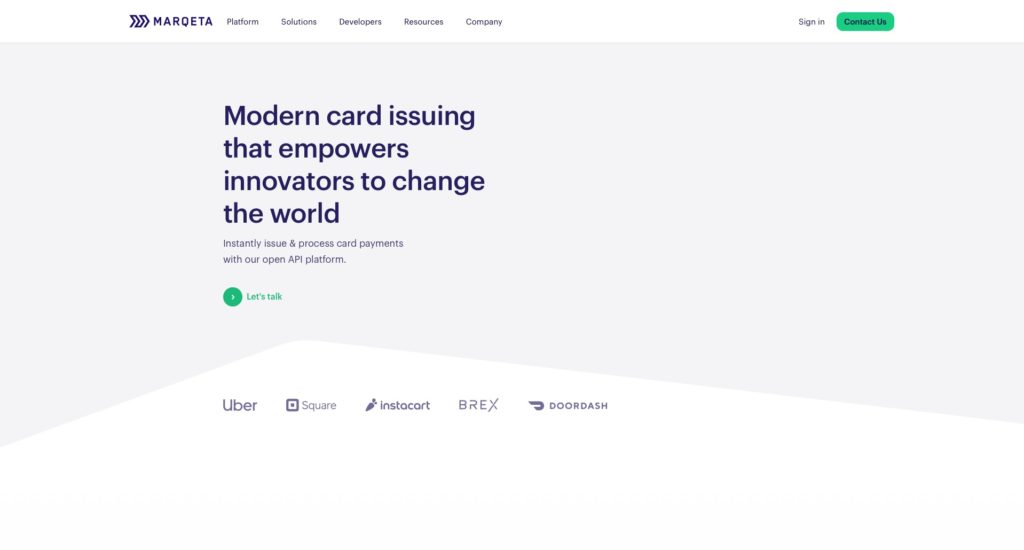
#7 Marqeta

Like most of the Finovate alums that made this year’s CNBC Disruptor 50 list, Marqeta was first introduced to our audiences via its participation in our developer’s conference FinDEVr SiliconValley 2016.

The company leverages its open API platform to enable its clients and partners to instantly issue and process card payments. With more than $528 million in funding, the Oakland, California-based firm is reportedly readying for a $100 million initial public offering later this year.

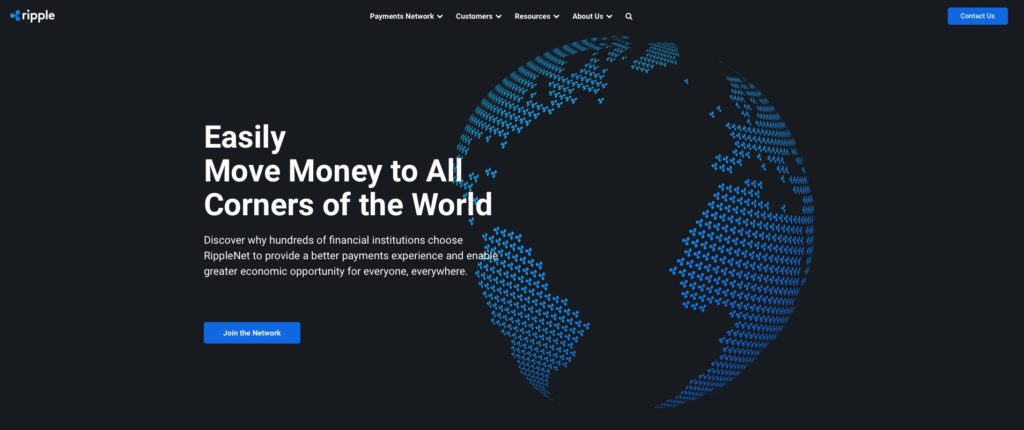
#38 Ripple

Does anyone remember OpenCoin? That was the company that Chris Larsen brought to FinovateSpring in 2013 to introduce a new virtual currency and distributed open source protocol called Ripple.

In the years since then, Ripple has grown into enterprise blockchain company with hundreds of customers in more than 55 countries who are using its solutions. The company’s XRP Ledger and digital asset XRP, running on Ripple’s global network, improve and enhance payment services for businesses around the world.

#39 Plaid

An alum of our developers conference FinDEVr, Plaid became a household word in the fintech community when Visa tried to acquire the company in January 2020. That plan was nixed by the U.S. Justice Department, but Plaid has continued on its innovative path to promote open finance via API.

Dedicated to helping connect people’s financial accounts to their apps, Plaid has added key insights to the data access it facilitates via a suite of analytics solutions such as its new income verification product, Plaid Income.

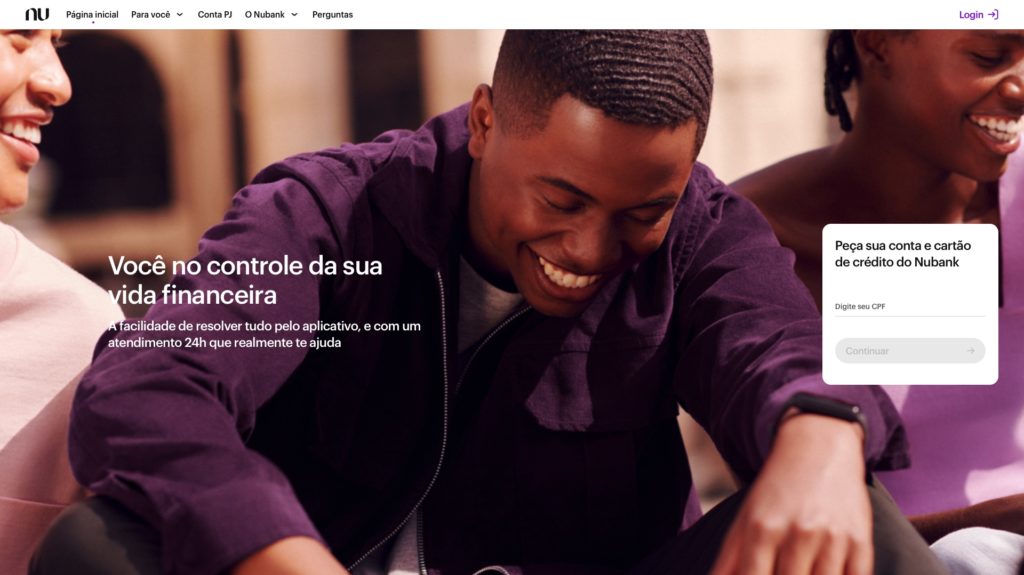
#40 Nubank

International fintech has always been part of the Finovate/FinDEVr beat. Back in 2016, a Brazilian financial services startup with the backing of an impressive array of venture capitalists demonstrated its unique approach to fintech development at FinDEVr New York 2016.

Today, that company, Nubank, is the biggest fintech in Latin America. The company operates as a challenger bank with more than 34 million customers and offices in Berlin and Mexico City, in addition to its São Paulo, Brazil headquarters.

Other fintechs that made this year’s CNBC Disruptor 50 are:

  • Robinhood
  • Stripe
  • Brex
  • Chime
  • Checkout.com
  • TALA
  • Flutterwave

Photo by Pineapple Supply Co. from Pexels

FinDEVr Shines a Light on Fintech’s Developers at FinovateSpring

FinDEVr Shines a Light on Fintech’s Developers at FinovateSpring

With apologies to LL Cool J, feel free to call it a comeback.

FinDEVr, our conference series dedicated to developers in fintech and financial services, is back. We’re saving the final day of FinovateSpring this year to shine a light on the role that developers continue to play in building and applying the technologies that keep fintech at the cutting edge.

Some of Finovate’s most illustrious alums have, in fact, been alums of FinDEVr. Among those at the top of the list are innovators like Plaid. The company, nearly acquired by Visa for more than $5 billion last year, was a big part of one of our earliest FinDEVr events in 2014 where it introduced its “API for Financial Infrastructure” to fintech audiences.

FinDEVr has also served as a platform for innovative fintechs not just from outside of Silicon Valley, but from outside the U.S., as well. An excellent example of this kind of FinDEVr alum is Nubank. Making its FinDEVr debut at our first developers conference on the east coast, FinDEVr New York, in 2016, the Brazilian financial services startup has grown into a major regional neobank and the biggest fintech in Latin America with more than 34 million customers.

For this year’s return, FinDEVr will feature a quintet (or more!) of innovative companies that are busying building tomorrow’s fintech today. Each company will provide both a TECHTalk and an informative workshop to dive deeper into the enabling technologies being discussed. Take a look at our current line-up below, as well as the topics we’ll be talking about.

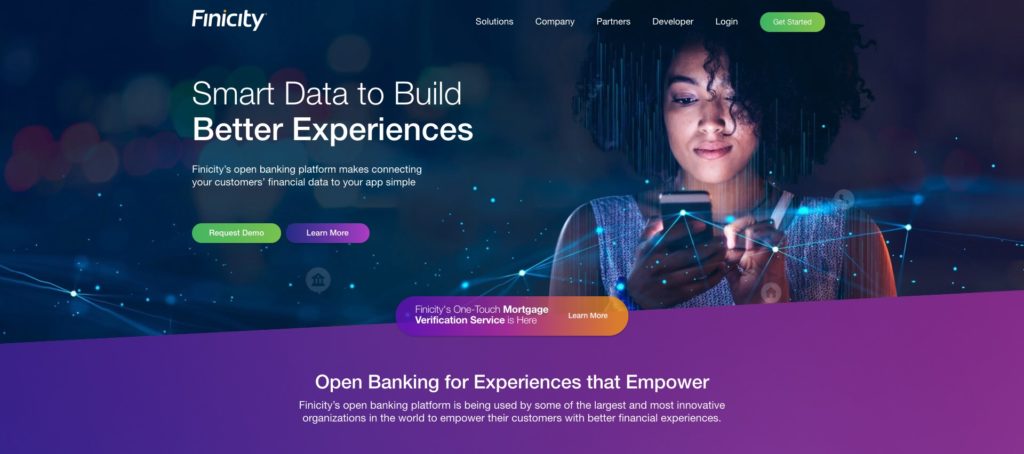
Connecting Siloed Financial Data: Open Banking’s Impact on the Financial Experience

Join Finicity as they explore the implications of an open financial ecosystem, shifting control to consumers, what the impact is for technologists and developers, and how open banking is being leveraged to improve financial literacy and inclusion. Finicity will follow this with a workshop on how to leverage the power of open banking with a hands-on introduction to their platform. Learn more.

The Tango: Operationalizing Predictive Models, an Engineering and Data Science Collaboration

Instnt will examine the different workflows followed by data science and engineering and discuss why they must come together in the deployment and maintenance of application models. The conversation will be followed by a workshop on rapid feature development and analysis in the identity verification space. Learn more.

Simplifying the complex with an innovative tech stack

LoanPro’s TECHTalk will discuss the importance of a modern and secure technology stack that is cloud-based, uses a configuration first approach, and maintains security throughout the process. LoanPro will follow up with a workshop on how to connect with and build loans via LoanPro’s API in less than 90 minutes. Learn more.

Data for sustainability

What is the relationship between data, sustainability, and financial services? In their TECHTalk Ecolytiq will discuss how their Sustainability-as-a-Service model helps ensure that financial institutions have access to relevant, contextual information at the right time. After the presentation, Ecolytiq will lead a conversation on how to ethically manage different data assets, and how to integrate them into the decision-making process. Learn more.

Scalable fintech product development

How can product development teams keep up with the rapid pace of fintech product adoption while remaining efficient and keeping costs down? Praxent’s TECHTalk will examine this challenge in greater detail and highlight ways to resolve productivity challenges. The workshop afterward will feature best practices for identifying bottlenecks in the development process and how to accurately benchmark your team’s progress. Learn more.


To find out more about the return of FinDEVr, visit the FinDEVr section of our FinovateSpring hub for more information.


Photo by Startup Stock Photos from Pexels

Ximena Aleman on Open Banking and Financial Access in Latin America

Ximena Aleman on Open Banking and Financial Access in Latin America

The fintech industry in Latin America is among the world’s most vibrant. From the initiatives in Mexico to provide a legal framework that will enable local fintechs to flourish, to the innovations in central bank digital currencies in the Caribbean, to the rising fintech giants like Nubank in Brazil, financial technology is making a major difference in the lives of a growing number of Latin Americans.

For this week’s Finovate Global: Voices, we caught up with Ximena Aleman, co-founder and Chief Business Development Officer of Prometeo, to discuss fintech in Latin America and the power of open banking to improve financial wellness and create opportunity in the region.

Please tell us a little about Prometeo and what drove you to co-launch the company.

Ximena Aleman: Prometeo is a fintech company striving to create an open and connected financial market in Latin America (LATAM). We are building a huge highway of financial information across financial institutions and countries in LATAM. Prometeo is the largest Open Banking API platform in the region disrupting the financial sector in México, Colombia, Brazil, and six more countries. We provide a single point of access to information, transactions, and payments across more than 30 financial institutions and 45 APIs in nine countries of LATAM. 

As LATAM entrepreneurs, we are well aware of the tech gap in the financial sector between underdeveloped and developed countries. In particular, the lack of adequate tech infrastructure. So we decided to approach this as an opportunity to build not only a great solution but also a path towards financial access for the region. 

What are the drivers of open banking in Latin America?

Aleman: Open Banking is a disruptive innovation that reframes the way banking is carried out. Transactions and communications between customers and institutions are going from taking place behind closed doors to transparent exchanges in the public square. It is no wonder that traditional financial institutions initially viewed the practice with a measure of bemusement or even suspicion.  

However, there has been a marked shift in their thinking. Adoption has been slower in Latin America than in other parts of the world, but most of the open banking biggest names in the region have headquarters abroad. Open banking has been a hot topic globally; Latin American associates have taken note and ushered in the conversation.

Another factor that has changed the playbook is the COVID-19 pandemic. The restrictions on daily life and public interactions have forced even the most hard-rooted, traditional financial institutions to review their digital transformation strategies. If customers can’t visit branches, digital channels become the sole venue of exchange. 

What do you think it will take to get more women in leadership and founding roles in fintech?

Aleman: I think that as we move forward to a more “gender-balanced” society we have to rethink our financial exchanges from a gender perspective, too. There’s little offered in the financial sector for women and little by little some female fintech entrepreneurs are developing solutions for this segment (for instance, Emma Sanchez’s neobank for women, Jefa). If the startup ecosystem understands that half of the world’s population has been historically financially underserved, and the huge opportunity this is, it won’t take long for women to start developing custom-made products for that segment.

You have said two of the biggest challenges to diversity in fintech are funding and technical training. What can and should be done about this?

Aleman: The gap between VC investments in startups led by women is significant versus those led by men. In the last 10 years, fintech companies led by women have raised 1% of the total investment in fintech. The disparity is really significant.

I believe this gap is multifactorial: historically, the financial and the technology worlds were dominated by men. Also, among VC funds, women in the decision-making process are just a few in number and, per my own experience, men really value having another man as their counterpart. 

There’s a lot we can all do: all the stakeholders involved in the fintech sector should make their own changes and push to close the gap. As women, we have to create our support network on every front, talk to mentors, female start-up groups, and above all, be confident and trust your knowledge, your experience, and your ability to navigate through hostile environments. If you feel you are not strong enough in certain areas, seek training. Technical training and really knowing your business is key to build confidence and close this gap.

One of the biggest reasons why women receive less VC investment than men is that so few of them make up decision-makers in VC funds.

How has the pandemic impacted the work you do and the communities you serve?

Aleman: Open Banking has seen a rise in LATAM in the past year, so our business vertical – as everything related to digital transformation in the financial sector – has been benefited by how the pandemic reshaped human interactions. However, no one in LATAM can be a stranger to the economic challenges we are facing today and ahead. There have been huge increases in unemployment, debt, etc. In Uruguay, a year after the pandemic, surfing what might be the country’s second wave of COVID-19 cases, early in the morning in the small towns in the countryside, you will bump into people waiting in line just in one shop, in the local microfinance branch, to ask for credit or pay their debt.

There are many who do not know much about Uruguay. What do you think more people should know about the country?

Aleman: Of course. I’m very proud of my country. We are a small country down in South America, between Argentina and Brazil. We are popular for the quality of our meat and football players, but as noticeable as that is, we are a growing tech hub, in particular for financial services. Uruguay has a long history of providing high-tech software to the financial sector, for instance, we host four banking core software companies (Infocorp, Topsystems, Bantotal, and Mantentia – that was recently bought by Technisys). Most recently, we joined the fintech wave with great B2B solutions like Bankingly or our first local unicorn, dLocal. I think it is worth mentioning the government’s efforts to promote entrepreneurship through the Innovation Agency (ANII) and Development Agency (ANDE). We are well aware that Prometeo was possible thanks to their support and as a startup, we are a result of the whole ecosystem pushing us to grow.

What can we expect from Prometeo over the balance of 2021?

Aleman: We are pushing hard for Open Banking adoption in Brazil, México, and Colombia. For those countries, it’s a challenging shift so we want to provide the best possible solution. That’s why we are releasing a payment feature that allows automated payments across banks in those countries. At the same time, we are on a mission to provide full coverage across LATAM. So this year it’s all about expansion, coding, and growth! 

Learn more about fintech in Latin America and the work of Prometeo.


Here is our look at fintech around the world.

Middle East and Northern Africa

Central and Southern Asia

Latin America and the Caribbean

Asia-Pacific

Sub-Saharan Africa

Central and Eastern Europe


Photo by Pedro Slinger from Pexels

Neobanks in South America; Swedish Payments Firm Trustly Eyes $11 Billion IPO

Neobanks in South America; Swedish Payments Firm Trustly Eyes $11 Billion IPO

Earlier this week we reported on the $400 million Series G closed by Brazilian neobank – and Finovate alum – Nubank. The firm, founded in 2013 and based in Sao Paulo, serves more than 34 million customers in Brazil, Mexico, and Colombia, and offers a digital savings account, a no-fee credit card, as well as personal loans. This week’s investment boosts the company’s total capital to $1.2 billion and gives the Brazilian digital bank a valuation of $25 billion.

We also suggested that Nubank’s news was a good opportunity for fintech fans to “brush up” on fintech in general when it comes to Latin America – and the region’s challenger banking industry in specific. To this end, for this week’s Finovate Global Reports, we are sharing this look at neobanks in South America, courtesy of Fintechnews Switzerland.

“South America has seen an exceptionally dynamic evolution of its neobanking landscape,” the authors wrote, “with now more than 30 live neobanks and digital banks that serve over 50 million customers out of the region’s 430 million+ population (+11%), data from Dutch fintech consultancy firm Fincog shows.”

An Overview of South America’s Booming Neobanking Sector is a great way to get to know how and why challenger banks are finding fertile ground in countries ranging from Brazil and Colombia to Peru and Argentina.


Swedish payments company Trustly, which made its Finovate debut back in 2013 at FinovateEurope in London, is betting that even after a year that featured a record number of initial public offerings, the investing public is hungry for more.

Reuters reported earlier this week that Trustly is planning an initial public offering in Q2 of this year that could earn the company a valuation of $11 billion (EUR 9 billion). Nordic Capital, which acquired Trustly in 2018, is said to be working with Goldman Sachs, JP Morgan, and Carnegie, with additional banks to be brought onboard as well. According to Reuters, the company is targeting “late April or early May” for an IPO. Both Trustly and Nordic Capital have not commented on the IPO rumor.

Headquartered in Stockholm and founded in 2008, Trustly specializes in enabling payments directly from customer online bank accounts. Trustly processes more than four million payments a month and reported revenues of EUR 130 million in 2019. The company estimates 2020 revenues of EUR 200 million. Trustly has more than 7,600 bank partners and 600 million consumers in Europe and North America who rely on its account-to-account network to bypass the card networks simply and securely.

In 2019, Trustly merged with PayWithMyBank, a U.S.-based company, to provide what Trustly CEO Oscar Berglund called “the first and only online banking payments network with transatlantic coverage.” Berglund added that the union of the two firms was “transformative” and said it would “accelerate” Trustly’s goal of reaching global coverage.

“Together we’re thrilled to be able to offer merchants and billers a unique alternative to card payments, allowing them to accept payments from 600 million consumers across Europe and the U.S.,” he said.

Earlier this month, Trustly announced the appointment of new Group Chief Financial Officer Mats Backman. Backman comes to Trustly after a tenure as CFO at publicly-traded automotive technology company Veoneer. Last fall, the Swedish payments innovator added a number of executives to its ranks, including Karim Ahmad as its new Global Chief Technology and Product Officer. Ahmad was formerly the Chief Product and Transformation Officer at Paysafe Group.


Here is our look at fintech innovation around the world.

Latin America and the Caribbean

Asia-Pacific

  • EyeVerify, which twice won Finovate Best of Show awards for its biometric authentication technology, may be on the market after being acquired by Ant Financial in 2016 for $100 million.
  • Malaysian-based supply chain finance and P2P financing platform CapBay raises $20 million in Series A.
  • Robowealth, a fintech based in Thailand, secures Series A funding from Beacon Venture Capital, Kasikornbank’s corporate VC arm.

Sub-Saharan Africa

  • Mobile banking startup Spot Money launches in South Africa, billing itself as the country’s first open banking platform.
  • Kenya-based Safaraicom goes live with its M-Pesa bill management service.
  • Synthesis launches Halo, the first of its kind tap-on-phone contactless payment solution for the African market.

Central and Eastern Europe

Middle East and Northern Africa

Central and Southern Asia


Photo by Jonathan Petersson from Pexels